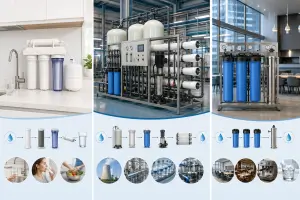






RO filter vs 3-stage filter is one of the most common comparisons homeowners make when choosing a drinking water filtration system. Both options improve water quality, but their technology, filtration power, maintenance, and cost are different.
At first glance, both seem to do the same thing—improve drinking water quality. However, the technologies, filtration capabilities, maintenance requirements, and long-term benefits can be very different.
This guide compares RO filters vs 3-stage filters to help you determine which system is best for your apartment, villa, family, and water quality needs.
What Is an RO Water Filter?
The RO filter vs 3-stage filter decision depends on your water quality needs, budget, and whether you need advanced drinking water purification.
Reverse osmosis technology is widely used in water treatment applications worldwide.
RO stands for Reverse Osmosis. RO water filter system guide
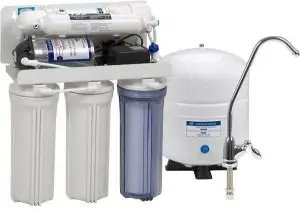
An RO system uses a semi-permeable membrane that filters water at a microscopic level, helping remove a wide range of contaminants.
A typical RO system may include:
- Sediment filter
- Carbon filter
- RO membrane
- Post-carbon filter
- Mineral enhancement stage (optional)
RO systems are widely used when homeowners want maximum drinking water purification.
What Is a 3-Stage Water Filter?
A 3-stage water filter uses multiple filtration stages to improve water quality without using an RO membrane.
A typical 3-stage system often includes:
Stage 1: Sediment Filter
Removes:
- Sand
- Rust
- Dirt
- Sediment particles
Stage 2: Activated Carbon Filter
Helps reduce:
- Chlorine
- Odors
- Unpleasant taste
Stage 3: Fine Carbon or Specialized Filter
Provides additional filtration and taste improvement.
These systems are popular because they are simple, affordable, and easy to maintain.
RO Filter vs 3-Stage Filter: Complete Key Differences
Filtration Power
RO System
Can reduce:
- Dissolved solids (TDS)
- Heavy metals
- Chlorine
- Sediment
- Various contaminants
3-Stage Filter
Primarily targets:
- Chlorine
- Sediment
- Taste
- Odor
Winner: RO System
If maximum filtration is your goal, RO generally provides more comprehensive treatment.
Water Taste Comparison
Taste is one of the biggest reasons homeowners install water filters.
RO Water
Typically tastes:
- Cleaner
- Lighter
- Fresher
Many users notice a significant improvement in drinking water, tea, and coffee.
3-Stage Filter Water
Typically tastes:
- Better than unfiltered water
- Less chlorinated
- More natural
The final preference often depends on personal taste.
Winner: Personal Preference
Both improve taste, but RO usually produces the most noticeable change.
TDS Reduction
One of the biggest differences is TDS removal.
RO Systems
Can significantly reduce:
- Dissolved salts
- Minerals
- TDS levels
3-Stage Filters
Generally do not substantially reduce dissolved solids.
If your primary concern is high TDS levels, RO is usually the preferred solution.
Winner: RO System
Maintenance Costs
RO System
Maintenance may include:
- Filter replacement
- Membrane replacement
- Periodic servicing
Maintenance costs are typically higher than standard filtration systems.
3-Stage Filter
Usually requires:
- Basic cartridge replacement
- Less frequent servicing
Maintenance is often simpler and less expensive.
Winner: 3-Stage Filter
Installation Requirements
RO System
Usually requires:
- Under-sink installation
- Drain connection
- Additional storage tank
3-Stage Filter
Generally easier to install.
Many systems fit conveniently under the sink without extensive modifications.
Winner: 3-Stage Filter
Best Option for Apartments
Apartment residents often prioritize:
- Compact size
- Easy installation
- Low maintenance
Recommended Choice
If water quality concerns are moderate:
3-stage filtration may be sufficient.
If drinking water quality is a major concern:
RO systems provide greater purification.
Best Option for Villas
Villa owners often experience:
- Larger water consumption
- Additional water storage systems
- More extensive plumbing networks
Recommended Choice
RO systems are frequently chosen for drinking water because of their advanced filtration capabilities.
Many villa owners also combine:
- Whole-house filtration
- Water softeners
- RO drinking water systems
for complete protection.
Best Option for Families With Children
Parents often place greater emphasis on drinking water quality.
Factors commonly considered include:
- Contaminant reduction
- Water taste
- Consistency
- Long-term reliability
For families with children, RO systems are often preferred because they provide additional filtration stages and comprehensive treatment.
Which System Is Better for Hard Water?
Hard water contains elevated levels of:
- Calcium
- Magnesium
- Mineral salts
RO System
Can help reduce dissolved minerals in drinking water.
3-Stage Filter
Typically does not remove hardness minerals.
Winner: RO System
Which System Is Better for Chlorine?
RO System
Reduces chlorine through carbon filtration stages.
3-Stage Filter
Also performs well at reducing chlorine taste and odor.
Winner: Tie
Both systems are effective for chlorine reduction when quality carbon filters are used.
Cost Comparison
When comparing RO filter vs 3-stage filter costs, homeowners should consider both installation price and long-term maintenance expenses.
Initial Cost
RO systems usually cost more upfront.
Long-Term Cost
RO systems typically involve:
- More replacement components
- Higher maintenance expenses
3-stage systems are usually more economical over time.
Winner: 3-Stage Filter
Who Should Choose a 3-Stage Filter?
A 3-stage filter may be ideal if:
- You want better tasting water
- You want chlorine reduction
- You prefer lower maintenance costs
- You need a simple solution
- Your water quality concerns are moderate
Who Should Choose an RO System?
An RO system may be ideal if:
- You want maximum filtration
- You want TDS reduction
- You are concerned about contaminants
- You want highly purified drinking water
- You are willing to invest in advanced filtration
The right choice in the RO filter vs 3-stage filter comparison depends on filtration requirements, household size, and water quality concerns.
Final Verdict
Both RO systems and 3-stage filters offer significant improvements over unfiltered water.
A 3-stage water filter is an excellent choice for homeowners seeking improved taste, chlorine reduction, simple maintenance, and affordability.
However, if your goal is maximum drinking water purification, TDS reduction, and comprehensive contaminant removal, an RO system is generally the better option.
The best choice ultimately depends on your water quality, budget, household size, and long-term expectations.
Frequently Asked Questions
Is RO filter vs 3-stage filter better for home use?
RO systems generally provide more comprehensive filtration and TDS reduction.
Does a 3-stage filter remove chlorine?
Yes. Most 3-stage systems use activated carbon to reduce chlorine taste and odor.
Which system requires less maintenance?
3-stage filters typically have lower maintenance requirements.
Is RO water better for families?
Many families choose RO systems because of their advanced filtration capabilities.
Which filter is best for apartments?
Both can work well, but compact under-sink systems are particularly popular in apartments.