





Bottled water vs RO system is becoming a popular comparison for households looking for cleaner, more convenient drinking water solutions in 2026. It was convenient, readily available, and widely trusted.
However, in 2026, a growing number of households are making the switch from bottled water to Reverse Osmosis (RO) water filtration systems.
Why? Rising costs, environmental concerns, plastic waste, convenience, and improved filtration technology are changing the way people think about drinking water.
In this guide, we’ll compare bottled water vs RO systems, examine the true costs of both options, and explain why more homeowners are choosing RO water filtration for their daily drinking water needs.
What Is an RO Water System?
Understanding the bottled water vs RO system comparison helps homeowners decide which option provides better long-term value, convenience, and control over drinking water quality.
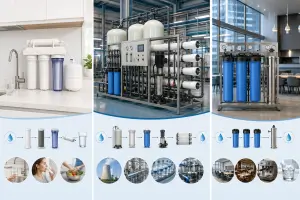
Reverse Osmosis (RO) is an advanced water filtration process that removes impurities by forcing water through a semi-permeable membrane.
Water filtration system buying guide
Modern RO systems are designed to reduce:
- Dissolved solids (TDS)
- Chlorine
- Sediment
- Heavy metals
- Unwanted tastes and odors
- Various contaminants
The result is clean, fresh-tasting drinking water directly from your kitchen tap.
Why Bottled Water Is Losing Popularity
While bottled water remains common, many consumers are beginning to question its long-term value.
Common concerns include:
- Rising monthly costs
- Plastic waste
- Storage requirements
- Delivery inconvenience
- Dependence on suppliers
As a result, more families are exploring alternatives such as RO water filtration systems.
Bottled Water vs RO System: Which Is Better?
Bottled Water
Advantages:
- Ready to drink
- No installation required
- Widely available
Disadvantages:
- Recurring monthly expenses
- Plastic waste generation
- Storage space needed
- Delivery schedules
- Ongoing dependency on suppliers
RO Water Systems
Advantages:
- Unlimited filtered water
- Lower long-term costs
- Convenient access
- Reduced plastic waste
- Improved water quality control
Disadvantages:
- Initial installation cost
- Periodic filter replacement
For many households, the long-term benefits outweigh the initial investment.
Monthly Cost Comparison
When comparing bottled water vs RO system options, many households consider not only the purchase price but also long-term maintenance and convenience.
One of the biggest reasons residents are switching to RO systems is cost savings.
The bottled water vs RO system decision is often influenced by monthly expenses, maintenance costs, and the long-term savings of having filtered water at home.
Typical Bottled Water Expenses
A family consuming multiple bottles or large water containers each week may spend significantly every month on:
- Water purchases
- Delivery charges
- Additional storage solutions
Over a year, these costs can become substantial.
Typical RO System Costs
RO systems involve:
- Initial purchase
- Installation
- Filter replacement
After installation, the ongoing monthly cost is often considerably lower than regularly purchasing bottled water.
Many homeowners discover that the system pays for itself over time through reduced water expenses.
The Growing Problem of Plastic Waste
Environmental awareness continues to increase worldwide.
Millions of plastic bottles are used and discarded every year.
Although recycling programs exist, many plastic bottles still contribute to environmental pollution.
By switching to an RO system, households can dramatically reduce their reliance on:
- Single-use plastic bottles
- Plastic packaging
- Water delivery containers
For environmentally conscious consumers, this is a major advantage. Organizations such as the World Health Organization provide information about drinking water safety and quality.
Convenience: Clean Water Whenever You Need It
Convenience is another key factor driving adoption of RO systems.
With bottled water, homeowners often need to:
- Monitor supply levels
- Place new orders
- Wait for deliveries
- Store large containers
An RO system provides filtered drinking water directly from the tap whenever needed.
Benefits include:
- No lifting heavy bottles
- No storage concerns
- No emergency water shortages
- Instant access to drinking water
This level of convenience is particularly attractive for busy families.
Water Quality and Taste
Taste is one of the main reasons people choose filtered water. UAE water quality guide
RO systems are designed to improve:
- Water clarity
- Taste
- Odor
- Overall drinking experience
Many users report that beverages such as tea and coffee also taste better when prepared with filtered water.
Why Families Are Choosing RO Systems
Parents are increasingly interested in controlling the quality of water consumed at home.
An RO system provides:
- Consistent filtration
- Fresh drinking water on demand
- Reduced dependency on bottled products
For households with children, this added peace of mind is often an important consideration.
Common Myths About RO Water
Myth 1: Bottled Water Is Always Better
Not necessarily.
Water quality depends on source, handling, storage, and treatment methods.
Myth 2: RO Systems Are Expensive
While there is an upfront investment, long-term operating costs are often lower than continuous bottled water purchases.
Myth 3: RO Systems Require Constant Maintenance
Modern systems are designed for easy maintenance, with filter changes typically required only periodically.
Signs It May Be Time to Switch
You may benefit from an RO system if:
- You regularly buy bottled water
- You are concerned about plastic waste
- You want lower long-term costs
- You need convenient access to drinking water
- You want greater control over water quality
Choosing the Right RO System
When comparing systems, consider:
- Filtration stages
- Membrane quality
- Filter lifespan
- Water production capacity
- Maintenance requirements
- Warranty coverage
Selecting the right system ensures reliable performance and long-term value. A proper bottled water vs RO system comparison should include filtration quality, replacement costs, water usage, and household needs.
The bottled water vs RO system decision depends on lifestyle, budget, and priorities such as reducing plastic waste and improving access to filtered water.
The bottled water vs RO system trend continues to grow as more families look for practical alternatives to traditional bottled water.
Final Thoughts
The shift from bottled water to RO systems is accelerating in 2026 as consumers look for smarter, more sustainable, and cost-effective ways to access clean drinking water.
With lower long-term costs, reduced plastic waste, greater convenience, and consistent water quality, it’s easy to understand why so many UAE residents are making the switch.
For households seeking a practical long-term solution, an RO water filtration system offers a modern alternative to bottled water while supporting both environmental and financial goals.
Frequently Asked Questions
Is RO water better than bottled water?
Both can provide safe drinking water, but RO systems offer greater convenience, lower long-term costs, and reduced plastic waste.
How much money can an RO system save?
Savings vary depending on household consumption, but many families spend less over time compared to purchasing bottled water regularly.
Does RO water taste better?
Many users prefer the cleaner taste and improved clarity provided by RO filtration.
How often do RO filters need replacement?
Most systems require filter changes every 6 to 12 months, depending on water quality and usage.
Is an RO system environmentally friendly?
Yes. RO systems can significantly reduce reliance on single-use plastic bottles and packaging.