



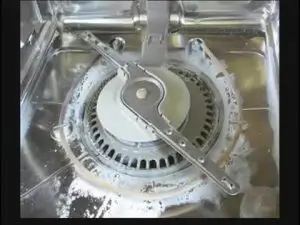
Hard water appliance damage is a common problem caused by mineral buildup inside washing machines, water heaters, and dishwashers.
However, the biggest problem often isn’t what you can see.
Hard water can gradually damage expensive household appliances, reduce efficiency, increase energy consumption, and shorten equipment lifespan.
Many appliance failures that appear to be normal wear and tear are actually linked to mineral buildup caused by hard water.
In this guide, we’ll explain how hard water affects washing machines, water heaters, and dishwashers, and how hard water appliance damage can be reduced with the right water treatment solution.
What Is Hard Water?
Hard water contains elevated levels of naturally occurring minerals, primarily:
- Calcium
- Magnesium
These minerals remain dissolved in water and leave deposits behind whenever water is heated or evaporates.
Over time, these deposits accumulate inside plumbing systems and household appliances.
This accumulation is commonly known as:
- Limescale
- Scale buildup
- Mineral deposits
Why Hard Water Is a Problem for Appliances
Hard water appliance damage happens slowly because minerals build up inside appliance components over time. This scale buildup can reduce performance, increase energy consumption, and shorten appliance lifespan.
Every appliance that uses water is exposed to hardness minerals.
As water passes through pipes, valves, heating elements, and internal components, mineral deposits begin forming on surfaces.
Over time, this buildup can:
- Reduce efficiency
- Restrict water flow
- Increase energy consumption
- Cause premature wear
- Increase maintenance costs
The process is gradual, which means many homeowners do not notice the problem until appliance performance declines.
Signs Your Home Has Hard Water
Before discussing appliances, it’s important to recognize common hard water symptoms.
Typical signs include:
White Stains on Taps
Minerals remain behind after water evaporates.
Scale Inside Kettles
White deposits often accumulate around heating elements.
Soap Scum
Bathrooms may require more frequent cleaning.
Dry Skin and Hair
Hard water can affect shower comfort.
Reduced Appliance Performance
Appliances may become less efficient over time.
If several of these signs are present, hard water is often the underlying cause.
How Hard Water Appliance Damage Affects Washing Machines
Washing machines process hundreds or even thousands of liters of water every month.
This constant exposure makes them vulnerable to mineral accumulation.
Scale on Internal Components
Mineral deposits can build up on:
- Hoses
- Valves
- Pumps
- Internal water pathways
Reduced Cleaning Performance
Hard water can reduce detergent effectiveness.
As a result:
- Clothes may feel less clean
- Fabrics may appear dull
- Additional detergent may be required
Increased Wear and Tear
Restricted water flow can place additional strain on machine components.
Shorter Appliance Lifespan
Over time, excessive scale buildup may contribute to more frequent repairs and earlier replacement.
How Hard Water Damages Water Heaters
Water heaters are among the most affected household appliances.
The reason is simple:
Heat accelerates scale formation.
Scale on Heating Elements
When water is heated, dissolved minerals separate and attach to heating surfaces.
This creates a layer of insulation around heating elements.
Reduced Heating Efficiency
The appliance must work harder to heat water through the mineral coating.
Increased Energy Consumption
More energy is required to achieve the same water temperature.
Higher Utility Bills
Reduced efficiency often translates into higher operating costs.
Premature Failure
Excessive scale buildup can eventually damage heating components and reduce equipment lifespan.
How Hard Water Damages Dishwashers
Dishwashers are also heavily affected by mineral deposits.
White Spots on Dishes
One of the most recognizable symptoms of hard water.
Minerals remain on dishes after drying.
Reduced Cleaning Performance
Scale buildup can affect water spray efficiency.
Blocked Spray Arms
Small openings may gradually become restricted by mineral deposits.
Internal Component Wear
Hard water can accelerate deterioration of critical dishwasher components.
Cloudy Glassware
Mineral residue often leaves glasses looking dull and cloudy.
Hard water appliance damage is not always immediately visible. Mineral deposits slowly build inside appliances, causing reduced efficiency, higher maintenance costs, and shorter equipment lifespan.
The Hidden Cost of Hard Water
Many homeowners focus on visible signs such as faucet stains.
However, the financial impact often extends much further.
Potential costs include:
- Increased electricity usage
- Higher appliance maintenance expenses
- More frequent repairs
- Reduced equipment lifespan
- Additional cleaning products
- Increased detergent consumption
Over time, these costs can become significant.
Why Hard Water Increases Energy Bills
One of the most overlooked effects of scale buildup is reduced energy efficiency.
Even a relatively thin layer of scale can:
- Slow heat transfer
- Reduce system performance
- Increase operating time
As heating systems work harder, energy consumption rises.
This affects:
- Water heaters
- Dishwashers
- Washing machines
- Other water-using appliances
What Is a Water Softener?
A water softener is a treatment system designed to reduce hardness minerals before water enters your home’s plumbing.
The system targets:
- Calcium
- Magnesium
By reducing these minerals, softeners help minimize scale formation and prevent hard water appliance damage throughout the property.
Benefits of a Water Softener
Protects Appliances
Reduces mineral buildup inside equipment.
Improves Efficiency
Appliances can operate more effectively.
Extends Equipment Lifespan
Less scale means reduced wear and tear.
Lowers Energy Consumption
Heating systems perform more efficiently.
Reduces Maintenance Costs
Fewer deposits mean fewer service issues.
Improves Cleaning Performance
Soap and detergents often work more effectively in softened water.
Water Softener vs Water Filter
Learn more about choosing the right water filter system.
Many homeowners confuse water softeners with water filters.
Water Softener
Designed to reduce:
- Calcium
- Magnesium
- Hard water scale
Water Filter
Designed to improve:
- Taste
- Odor
- Sediment removal
- Drinking water quality
Many households use both systems together for complete water treatment.
When Should You Consider a Water Softener?
You may benefit from a softener if you notice:
- White scale on fixtures
- Frequent appliance maintenance
- Cloudy dishes
- Reduced water heater efficiency
- Dry skin after showering
- Visible limescale buildup
These are common indicators of hard water problems.
Final Thoughts
Water quality guidelines and drinking water information are also available from international health organizations.
Hard water affects much more than faucets and shower doors.
Over time, hardness minerals can damage washing machines, water heaters, dishwashers, and other expensive household equipment.
The resulting scale buildup reduces efficiency, increases energy consumption, and shortens appliance lifespan.
Installing a water softener can help reduce these effects by minimizing mineral deposits before they enter your plumbing system.
For homeowners looking to protect appliances, reduce maintenance costs, and improve long-term efficiency, addressing hard water is often one of the most valuable investments in overall home maintenance.
Frequently Asked Questions
Can hard water damage appliances?
Yes. Scale buildup can reduce efficiency and increase wear on water-using appliances.
Why does hard water affect water heaters more than other appliances?
Heating accelerates mineral deposition, making water heaters especially vulnerable to scale buildup.
Does hard water increase electricity bills?
It can. Scale buildup reduces heating efficiency, causing appliances to consume more energy.
Will a water softener protect my washing machine?
A water softener helps reduce hardness minerals that contribute to scale formation and appliance wear.
Can a water filter remove hard water?
Most standard water filters do not remove hardness minerals. A dedicated water softener is typically required.