






A villa water filter is an important solution for maintaining better water quality, protecting appliances, and improving daily water usage in larger homes.
Villa owners often face unique water quality challenges including hard water, water storage tank contamination, sediment buildup, chlorine taste, appliance scaling, and higher daily water consumption. Choosing the right villa water filter depends on water quality, property size, and household requirements.
A single under-sink filter may improve drinking water, but it does not protect showers, bathrooms, washing machines, water heaters, or plumbing systems.
In this 2026 buying guide, we’ll explain the best water filtration options for villas, compare different systems, and help you determine the right solution for your household.
Why Villas Need Different Water Filtration Solutions
A villa water filter system is designed to handle higher water consumption, multiple bathrooms, and larger plumbing networks. Unlike small filtration systems, villa solutions focus on protecting the entire property.
Most villas have more complex water systems than apartments.
Common characteristics include:
- Larger water storage tanks
- Multiple bathrooms
- Extensive plumbing networks
- Higher water usage
- Outdoor irrigation systems
- Larger families
Because water passes through more plumbing infrastructure, maintaining water quality throughout the property becomes increasingly important.
Common Water Problems in Villas
Before selecting a filtration system, it helps to understand the most common water quality concerns.
Hard Water
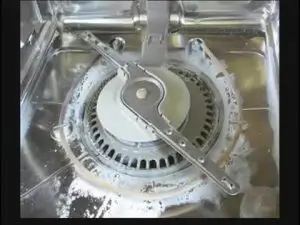
Hard water contains elevated levels of calcium and magnesium.
Learn more about hard water appliance damage.
Signs include:
- White stains on faucets
- Scale buildup in kettles
- Reduced appliance efficiency
- Dry skin after showering
- Hair that feels rough or dry
Sediment Buildup
Storage tanks and plumbing systems may introduce:
- Sand
- Dirt
- Rust particles
- Fine sediment
These particles can affect water clarity and shorten filter lifespan.
Chlorine Taste and Odor
Many homeowners notice:
- Strong chlorine smell
- Chemical taste
- Reduced shower comfort
Water Tank Contamination
Poorly maintained storage tanks can contribute to:
- Sediment accumulation
- Unpleasant odors
- Reduced water quality
Villa vs Apartment: What’s the Difference?
Apartment Water Filtration
Apartment residents usually focus on:
- Drinking water quality
- Compact filtration systems
- Under-sink filters
- Limited installation space
Villa Water Filtration
Villa owners often require protection for:
- Kitchens
- Bathrooms
- Showers
- Water heaters
- Washing machines
- Entire plumbing systems
Because of these additional requirements, whole-house solutions are generally more effective.
What Is a Whole-House Water Filter?
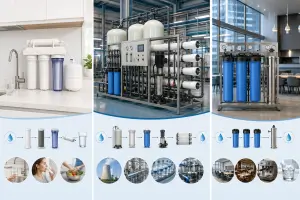
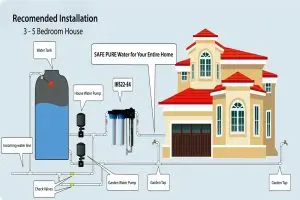
A whole-house filtration system is installed at the main water entry point.
This means filtered water reaches:
- Kitchen faucets
- Bathroom taps
- Showers
- Laundry systems
- Water heaters
- Outdoor water outlets
Instead of treating water at a single faucet, the entire home benefits from improved water quality.
Benefits of Whole-House Water Filtration
Cleaner Water Throughout the Property
Every tap receives filtered water.
Reduced Sediment
Helps protect plumbing and appliances.
Improved Water Clarity
Reduces visible particles and debris.
Better Shower Experience
Improves water quality for bathing and personal care.
Extended Appliance Lifespan
Reduced sediment and contaminants may help lower wear and tear.
Do Villa Owners Need a Water Softener?
One of the most common questions is whether a water softener is necessary.
For many villa owners, the answer is yes.
What Does a Water Softener Do?
Water softeners reduce hardness minerals such as:
- Calcium
- Magnesium
This helps prevent:
- Scale buildup
- White stains
- Appliance damage
- Plumbing restrictions
Signs You Need a Water Softener
You may benefit from a softener if you notice:
- White residue on taps
- Scale inside kettles
- Dry skin after showering
- Soap that doesn’t lather properly
- Frequent appliance maintenance
Why Whole-House Filtration and Water Softeners Work Well Together
Many villa owners choose both systems.
Whole-House Filter
Helps reduce:
- Sediment
- Rust
- Dirt
- Chlorine
Water Softener
Helps reduce:
- Hardness minerals
- Scale buildup
Together, they provide more complete water treatment.
Should You Also Install an RO Drinking Water System?
Yes, in many cases.
Read our RO water filter comparison guide.
While whole-house systems improve water quality throughout the property, drinking water often requires additional treatment.
What Does an RO System Do?
Reverse Osmosis (RO) systems are designed to reduce:
- Dissolved solids (TDS)
- Heavy metals
- Chlorine
- Sediment
- Various impurities
RO systems are typically installed under the kitchen sink and provide purified drinking water.
The Ideal Villa Water Filtration Setup
Many water treatment professionals recommend a three-layer approach.
Stage 1: Whole-House Sediment and Carbon Filtration
Protects the entire property.
Stage 2: Water Softener
Addresses hard water and scaling.
Stage 3: RO Drinking Water System
Provides highly purified water for drinking and cooking.
This setup offers protection throughout the home while maintaining high-quality drinking water.
Which System Is Best for Families?
Families often prioritize:
- Water quality
- Appliance protection
- Child-friendly drinking water
- Long-term savings
A combination of whole-house filtration and RO drinking water treatment typically provides the most comprehensive solution.
How to Choose the Best Villa Water Filter
Before purchasing a system, consider:
Household Size
Larger families require higher filtration capacity.
Water Quality Concerns
Identify whether your primary issue is:
- Hard water
- Sediment
- Chlorine
- Drinking water quality
Property Size
Larger villas generally require higher-flow systems.
Maintenance Requirements
Understand replacement schedules and servicing needs.
Future Expansion
Choose a system that can accommodate future water usage increases.
Estimated Maintenance Requirements
Whole-House Filters
Usually require periodic cartridge replacement.
Water Softeners
Require routine monitoring and maintenance.
RO Systems
Need filter and membrane replacement according to manufacturer recommendations.
Regular maintenance ensures long-term performance.
Final Verdict
The best villa water filter solution is rarely a single product. For general drinking water quality information and guidelines, homeowners can review recommendations from the World Health Organization.
Because villas have larger water systems, multiple bathrooms, storage tanks, and higher daily water usage, a complete water treatment strategy often delivers the best results.
For most villa owners, the ideal setup includes:
- Whole-house filtration for overall water quality.
- Water softening for scale protection.
- RO filtration for drinking water purification.
This combination improves water quality throughout the property, protects plumbing and appliances, and provides cleaner drinking water for the entire family.
Frequently Asked Questions
Is a whole-house water filter worth it for a villa?
Many villa owners choose whole-house filtration because it protects all water outlets throughout the property.
Do I need both a water softener and an RO system?
They serve different purposes. Water softeners address hard water, while RO systems focus on drinking water purification.
What is the best water filter for a large family?
A combination of whole-house filtration and RO drinking water treatment is often the most comprehensive solution.
Can a whole-house filter remove hard water?
Not usually. Hard water is typically treated using a dedicated water softener.
Is an under-sink filter enough for a villa?
Under-sink filters improve drinking water but do not protect showers, appliances, bathrooms, or plumbing systems.