




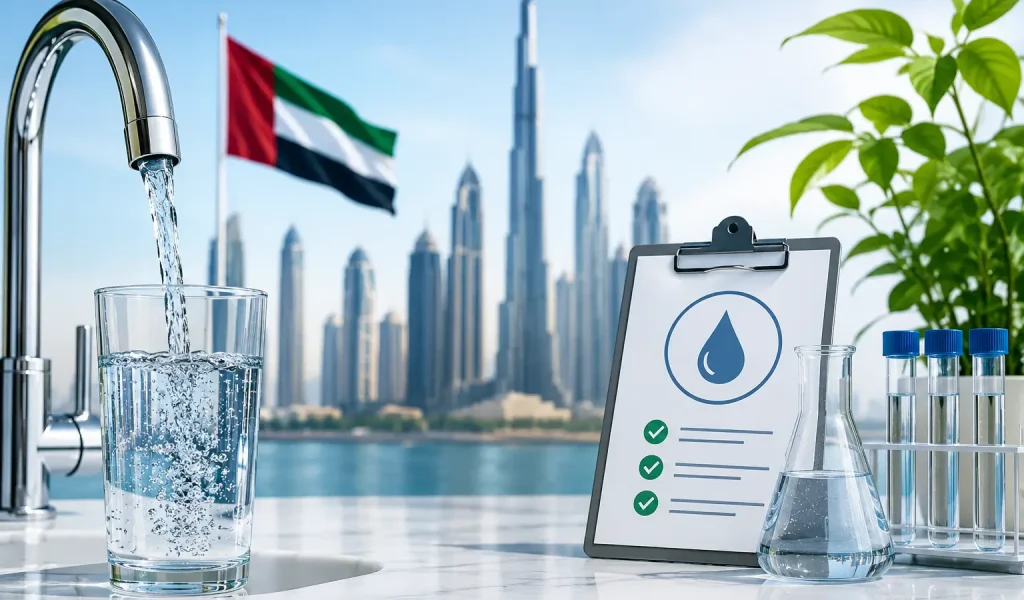
UAE water quality 2026 is a common concern for homeowners and residents asking: Is UAE tap water safe to drink? With growing concerns about water quality, chlorine levels, water tank contamination, and TDS levels, understanding what comes out of your tap is more important than ever.
In this UAE Water Quality Report 2026, we’ll explore how drinking water is supplied, common water quality concerns, and how UAE water quality 2026 affects decisions about home filtration systems. common water quality concerns, and whether a home water filter is worth considering.
Where Does UAE Drinking Water Come From?
Most drinking water is produced through desalination. International organizations such as the World Health Organization provide general information about drinking water quality and safety standards.
Seawater is treated using advanced technologies to remove salt and impurities before being distributed through the municipal water network.
The water supplied through the public network generally meets strict quality standards. However, the quality of water reaching your glass may depend on several additional factors after it leaves the treatment facility.
Is UAE Tap Water Safe to Drink?
In general, tap water supplied through the municipal system is considered safe. However, the condition of building infrastructure can influence water quality before it reaches your home.
Factors that may affect tap water quality include:
- Water storage tank cleanliness
- Aging internal plumbing
- Sediment accumulation
- Chlorine taste and odor
- High TDS levels
- Rust particles from old pipes
This is why two homes in the same area can experience different water quality issues.
UAE Water Quality 2026: Understanding Home Drinking Water
TDS stands for Total Dissolved Solids. It measures dissolved minerals, salts, and other substances in water.
When researching UAE water quality 2026, many homeowners check TDS levels because they want to understand taste, mineral content, and filtration requirements.
Typical concerns associated with high TDS levels include:
- Salty taste
- Mineral buildup on fixtures
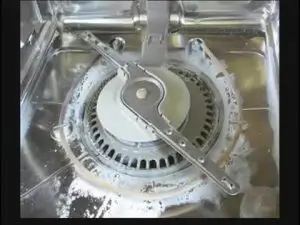
- White scale deposits
- Reduced appliance efficiency
While TDS itself does not always indicate unsafe water, many homeowners prefer lower TDS levels for improved taste and overall drinking experience.
Signs of High TDS Water
- White residue on faucets
- Scale buildup in kettles
- Water spots on glassware
- Unpleasant taste
A Reverse Osmosis (RO) water filter is one of the most effective methods for reducing TDS levels.
Why Does Tap Water Sometimes Smell Like Chlorine?
Chlorine is commonly used to disinfect water and protect it from bacterial contamination during distribution.
Although chlorine plays an important role in water safety, excessive chlorine can cause:
- Unpleasant taste
- Chemical odor
- Dry skin after showering
- Dry hair
Activated carbon filtration systems are commonly used to reduce chlorine taste and odor.
The Hidden Problem: Building Water Tanks
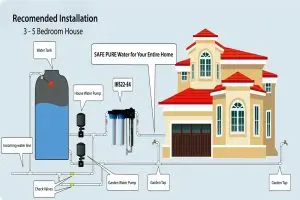
Understanding UAE water quality 2026 requires looking beyond the main water supply. Storage tanks, internal plumbing, and household filtration systems can all influence the final quality of water reaching your tap.
One of the biggest concerns affecting water quality is water storage tank maintenance.
Even when municipal water meets quality standards, poorly maintained tanks can contribute to:
- Sediment buildup
- Bacterial growth
- Unpleasant odor
- Cloudy water
Warning signs include:
- Discolored water
- Visible particles
- Musty smell
- Inconsistent taste
Regular tank cleaning and inspection are essential for maintaining drinking water quality.
Common Water Quality Problems Found in Homes
1. Chlorine Taste
Many residents notice a swimming-pool-like taste in their drinking water.
2. High Mineral Content
Hard water can lead to scale buildup and appliance damage over time.
3. Rust and Sediment
Older plumbing systems may introduce particles into household water.
4. Unpleasant Odors
Water storage issues can sometimes affect taste and smell.
5. Micro-Contaminants
Many homeowners install advanced filtration systems for additional peace of mind.
UAE water quality 2026 discussions often focus on chlorine, sediment, storage tanks, and whether additional home filtration can improve daily water quality.
Should You Install a Water Filter?
A home water filtration system can help improve water quality by addressing common household concerns.
Benefits may include:
- Better tasting water
- Reduced chlorine odor
- Lower TDS levels
- Reduced sediment
- Improved confidence in drinking water quality
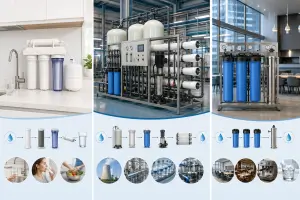
Popular filtration options include:
Activated Carbon Filters
Best for:
- Chlorine reduction
- Taste improvement
- Odor removal
Reverse Osmosis (RO) Systems
Best for:
- TDS reduction
- Mineral removal
- Comprehensive filtration
Multi-Stage Filtration Systems
Best for:
- Combined protection
- Improved water quality
- Long-term household use
How to Check Your Home Water Quality
Simple steps include:
- Test TDS levels.
- Inspect water clarity.
- Check for unusual taste or odor.
- Examine faucets for scale buildup.
- Schedule professional water testing if needed.
Final Verdict: Is UAE Tap Water Safe in 2026?
UAE water quality 2026 remains an important topic as homeowners evaluate tap water taste, chlorine levels, TDS readings, and filtration solutions.. However, factors such as storage tanks, internal plumbing, chlorine levels, and dissolved solids can influence the quality of water reaching individual homes.
If you notice unusual taste, odor, sediment, or scale buildup, a suitable water filtration system can significantly improve your drinking water experience.
Frequently Asked Questions
Can I drink tap water directly?
Many residents do, but preferences vary depending on taste, building condition, and water quality concerns.
What is the best water filter for reducing TDS?
Reverse Osmosis (RO) systems are widely used for TDS reduction.
Why does my water taste salty?
High dissolved mineral content may contribute to salty or mineral-like taste.
How often should water filters be replaced?
Most systems require filter replacement every 6–12 months, depending on usage and filter type.
Does a water filter remove chlorine?
Yes. Activated carbon filters are particularly effective at reducing chlorine taste and odor.