







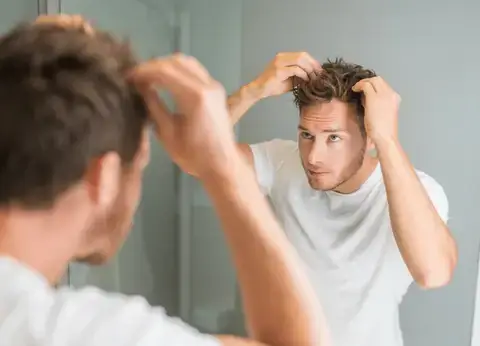
Hard water hair and skin problems are common concerns for many homeowners. Have you noticed your hair becoming dry, frizzy, or difficult to manage?
If so, you’re not alone.
Hard water hair and skin problems usually happen because minerals and chlorine can affect the natural feel of hair and skin after daily showers.
Many residents experience hair and skin problems that may be linked to water quality. Hard water minerals, chlorine, and dissolved solids can affect how water interacts with your skin and hair every day.
In this guide, we’ll explain why your hair and skin may feel worse, the role of hard water and chlorine, and whether installing a shower filter could help improve your daily routine.
How Hard Water Affects Hair and Skin
Many people search for solutions to hard water hair and skin concerns because they notice dryness, rough texture, and changes after washing.
Hard water hair and skin problems are becoming a common concern for homeowners who notice changes after daily showering. Minerals and chlorine in water can affect the way hair and skin feel over time.
Water comes into direct contact with your body every day through:
- Showering
- Bathing
- Washing your face
- Hair washing
When water contains high levels of minerals or disinfectants, some people notice changes in:
- Hair texture
- Skin hydration
- Scalp condition
- Hair manageability
While many factors influence hair and skin health, water quality is often overlooked.
What Is Hard Water and How Does It Affect Hair and Skin?
Hard water contains elevated levels of minerals, mainly:
- Calcium
- Magnesium
- Mineral salts
These minerals are not usually harmful to drink, but they can leave deposits on surfaces, hair, and skin.
Common signs of hard water include:
- White stains on faucets
- Scale buildup in kettles
- Water spots on glass
- Soap scum in bathrooms
The same minerals that create scale buildup can also affect your shower experience.
How Hard Water Affects Hair and Skin
Many hard water hair and skin concerns are related to mineral buildup that remains on hair and skin after washing.
Hard water hair problems usually happen because minerals build up on the hair surface and reduce moisture balance.
Water quality guidelines are also studied globally by organizations such as the World Health Organization.
One of the most searched concerns is:
Does Hard Water Cause Hair Loss?
Hard water is not generally considered a direct cause of hair loss.
However, mineral buildup can contribute to problems that make hair appear less healthy.
Common complaints include:
Dry Hair
Minerals can leave a coating on hair strands, making hair feel rough and dry.
Frizzy Hair
Hard water may increase frizz and reduce smoothness.
Dull Appearance
Mineral deposits can reduce shine and make hair appear lifeless.
Difficult Styling
Many people report that hair becomes harder to manage after washing.
Increased Breakage
Dry, brittle hair may become more prone to breakage over time.
Why Your Scalp May Feel Different
Water quality can also affect the scalp.
Common concerns include:
- Dry scalp
- Itching
- Flaking
- Product buildup
- Reduced shampoo performance
Many people notice that shampoos do not lather as effectively in hard water.
How Chlorine Affects Hair
Chlorine is commonly used to disinfect water supplies.
While it plays an important role in maintaining water safety, some individuals find that chlorine affects the way their hair feels after showering.
Possible effects include:
- Dryness
- Increased frizz
- Rough texture
- Reduced shine
People who color their hair often report that chlorine exposure makes color fade faster.
How Hard Water Affects Skin
Skin concerns are another major reason people investigate water quality.
Common symptoms include:
Dry Skin
Mineral deposits can remain on the skin after showering.
Tight Feeling After Bathing
Many people notice their skin feels less hydrated immediately after washing.
Itchy Skin
Hard water may worsen skin discomfort in some individuals.
Increased Product Usage
People often find themselves using more moisturizer and skincare products.
The Chlorine and Skin Connection
Chlorine can contribute to:
- Dryness
- Tightness
- Irritation
- Reduced comfort after showering
Individuals with sensitive skin may notice these effects more than others.
Signs Your Water May Be Affecting Your Hair and Skin
You may want to investigate your water quality if you regularly experience:
- Dry hair
- Hair that feels rough after washing
- Frizzy or dull hair
- Dry scalp
- Itchy skin
- Tight skin after showering
- Excessive moisturizer use
- White scale buildup around faucets
When several of these signs appear together, hard water is often a contributing factor.
What Is a Shower Filter?
A shower filter is often considered by people experiencing hard water hair and skin problems because it may help reduce chlorine, sediment, and other unwanted water components.
A shower filter is designed to improve shower water quality before it reaches your skin and hair.
Depending on the filtration technology, shower filters may help reduce:
- Chlorine
- Sediment
- Rust particles
- Unpleasant odors
Many homeowners install shower filters specifically to improve comfort while bathing.
Benefits of a Shower Filter
Better Shower Experience
Many users report softer-feeling water.
Reduced Chlorine Exposure
Filtration can help reduce chlorine-related taste and odor concerns.
Improved Hair Feel
Hair may feel smoother and easier to manage.
Improved Skin Comfort
Many people experience less dryness after showering.
Easy Installation
Most shower filters can be installed quickly without major plumbing modifications.
Shower Filter vs Water Softener
Shower Filter
Best for:
- Chlorine reduction
- Sediment removal
- Improved shower water quality
Water Softener
Best for:
- Hard water treatment
- Scale reduction
- Whole-house protection
Many households combine both solutions for maximum benefits.
Choosing the Best Shower Filter
When selecting a shower filter, consider:
- Filter technology
- Chlorine reduction capability
- Cartridge lifespan
- Maintenance requirements
- Water pressure performance
A high-quality filter can improve both comfort and convenience.
Can a Water Filter Help With Hair and Skin?
A suitable water filtration system may help address several common water quality concerns.
Potential benefits include:
- Better water quality
- Reduced chlorine exposure
- Improved shower comfort
- Cleaner-feeling skin
- More manageable hair
Results vary depending on water conditions and individual sensitivity.
Many people search for a water filter for skin because they want to reduce chlorine, sediment, and hard water effects during daily showers.
Choosing the right solution for hard water hair and skin depends on your water quality, shower habits, and whether you need a shower filter or a complete water treatment system.
Final Thoughts
If your hair feels dry, your scalp becomes irritated, or your skin feels uncomfortable after showering, water quality may be one of the contributing factors.
Hard water minerals and chlorine can affect the way water interacts with your skin and hair every day.
Installing a shower filter or water treatment system may help improve water quality, reduce common water-related concerns, and create a more comfortable shower experience.
For many households, addressing water quality is an important step toward healthier-looking hair and better-feeling skin.
Frequently Asked Questions
Can hard water cause hair loss?
Hard water is not considered a direct cause of hair loss, but it may contribute to dryness, breakage, and difficulty managing hair.
Why does my skin feel dry after showering?
Hard water minerals and chlorine may contribute to skin dryness and irritation.
Do shower filters work?
Shower filters can help reduce chlorine and certain other impurities, depending on the filtration technology used.
Is a shower filter worth it?
Many homeowners install shower filters to improve shower comfort and reduce common water quality concerns.
What is the best solution for hard water?
A water softener is typically the most effective solution for reducing hardness minerals, while shower filters help improve shower water quality.
How can I improve hard water hair and skin problems?
Using suitable filtration options such as shower filters or water softeners may help improve water quality and reduce common hard water effects.