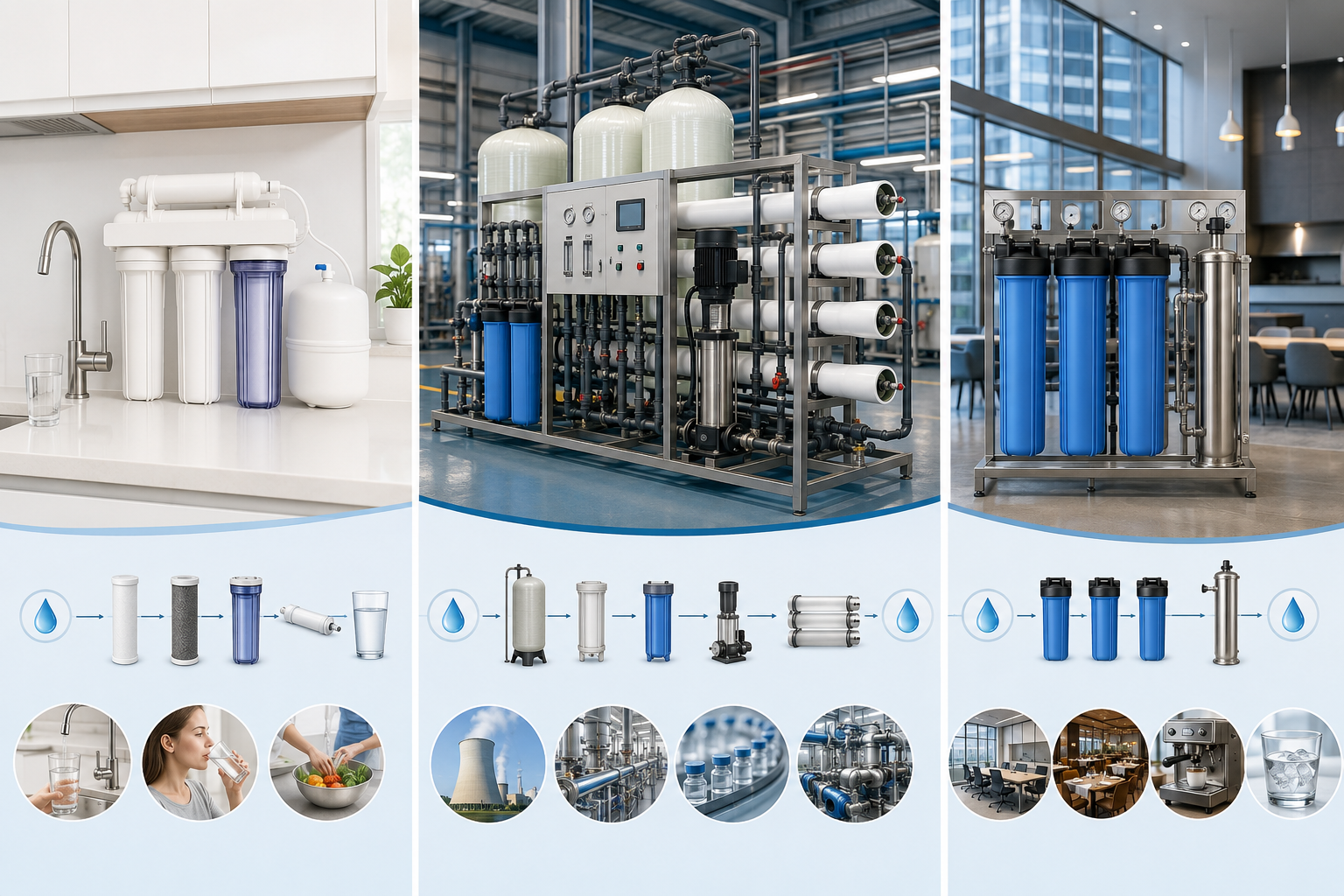







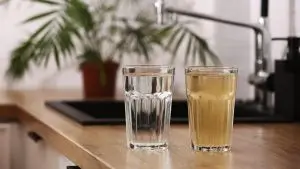
A water filter remove chlorine lead rust bacteria depending on the filtration technology used. Different water filtration systems are designed to target specific contaminants such as chlorine, lead, rust particles, and bacteria.
Choosing the right water filtration system depends on your water quality needs and the contaminants you want to reduce.
“Can a water filter actually remove contaminants like chlorine, lead, rust, and bacteria?”
The answer depends on the type of filter you choose.
Not all water filters are designed to remove the same contaminants. Some filters are excellent at removing chlorine and improving taste, while others are specifically designed to reduce heavy metals, bacteria, and microscopic impurities.
In this guide, we’ll explain which water filtration technologies remove specific contaminants and help you choose the right solution for your home.
Water quality standards are regularly reviewed by international organizations.
How a Water Filter Remove Chlorine Lead Rust and Bacteria
Even when water looks clean, it may still contain substances that affect:
- Taste
- Odor
- Appearance
- Plumbing systems
- Appliances
- Overall water quality
Common concerns include:
- Chlorine
- Lead
- Rust particles
- Sediment
- Bacteria
- Dissolved solids (TDS)
Understanding which filtration technology addresses each issue is the first step toward selecting the right water filter.
A water filter remove chlorine lead rust bacteria using different technologies such as carbon filtration, RO membranes, sediment filters, and UV systems.
What Does Each Water Filter Remove?
| Contaminant | Sediment Filter | Carbon Filter | UV Filter | Ultrafiltration (UF) | Reverse Osmosis (RO) |
|---|---|---|---|---|---|
| Rust | ✅ | ❌ | ❌ | ✅ | ✅ |
| Sediment | ✅ | ❌ | ❌ | ✅ | ✅ |
| Chlorine | ❌ | ✅ | ❌ | Limited | ✅ |
| Bad Taste & Odor | ❌ | ✅ | ❌ | Limited | ✅ |
| Lead | ❌ | Limited | ❌ | Limited | ✅ |
| Bacteria | ❌ | ❌ | ✅ | ✅ | ✅ |
| Dissolved Solids (TDS) | ❌ | ❌ | ❌ | ❌ | ✅ |
This table shows why multi-stage filtration systems are often recommended. Different technologies address different water quality concerns.
Can Water Filters Remove Chlorine?
Yes — But Not All Filters
Chlorine is commonly used to disinfect water supplies.
Although it helps protect water quality, many people dislike:
- Chemical taste
- Strong odor
- Dry skin after showering
Best Filters for Chlorine Removal
Activated Carbon Filters
Activated carbon is one of the most effective methods for reducing:
- Chlorine taste
- Chlorine odor
- Organic compounds
Reverse Osmosis Systems
RO systems typically include carbon filtration stages that help reduce chlorine before water reaches the membrane. Many homeowners also compare RO systems with other filtration options before choosing the right solution.
Common Misconception
Many people believe all filters remove chlorine equally.
In reality, sediment filters alone do not remove chlorine.
Can Water Filters Remove Lead?
Yes — Certain Filters Can
Lead is a heavy metal that may enter water through older plumbing systems and fixtures.
Because lead particles are invisible and tasteless, many homeowners are unaware of potential exposure.
Best Filters for Lead Reduction
Reverse Osmosis Systems
RO membranes are among the most effective filtration technologies for reducing lead and other heavy metals.
Certified Multi-Stage Filters
Certain specialized filters are designed specifically for heavy metal reduction.
Common Misconception
A standard carbon filter does not automatically guarantee effective lead reduction.
Always check the filter’s specifications and certifications.
Can Water Filters Remove Rust?
Yes
Rust is one of the most common household water issues.
Rust particles may appear as:
- Brown water
- Orange staining
- Visible particles
- Discoloration around fixtures
Best Filters for Rust Removal
Sediment Filters
Designed specifically to capture:
- Rust
- Dirt
- Sand
- Debris
Multi-Stage Systems
Many systems combine sediment and carbon filtration for improved water quality.
Common Misconception
Many homeowners assume rust always means unsafe water.
In many cases, rust primarily affects appearance and taste, although it may indicate plumbing issues that should be investigated.
Can Water Filters Remove Bacteria?
Yes — With the Right Technology
Bacteria require specialized filtration or disinfection methods.
UV Water Filters
UV systems use ultraviolet light to neutralize microorganisms.
Benefits include:
- Chemical-free treatment
- Effective microbial protection
- Minimal maintenance
Ultrafiltration (UF) Systems
UF membranes can physically block many bacteria and microscopic particles.
Reverse Osmosis Systems
RO membranes provide extremely fine filtration and may help reduce microorganisms as part of a multi-stage system.
Common Misconception
Many people assume carbon filters remove bacteria.
Standard carbon filters primarily improve taste and odor and are not intended to function as bacterial treatment systems.
Best Water Filter to Remove Chlorine Lead Rust and Bacteria
Many households face more than one water quality concern. Choosing the right system depends on whether you need an RO system, carbon filter, or whole-house filtration solution.
For example:
- Chlorine taste
- Rust particles
- Lead concerns
- Bacterial protection
This is why multi-stage systems have become increasingly popular.
Typical Multi-Stage Filtration Setup
- Sediment Filter
- Carbon Filter
- RO Membrane
- UV Sterilization (optional)
- Post Carbon Filter
This combination addresses a wide range of water quality issues.
How to Know What Your Water Needs
Before purchasing a filtration system, identify your primary concerns.
If Your Main Problem Is Chlorine
Choose:
- Carbon filtration
- Multi-stage filtration
If Your Main Problem Is Rust
Choose:
- Sediment filtration
If You’re Concerned About Lead
Choose:
- Reverse osmosis
- Certified heavy-metal filtration
If You’re Concerned About Bacteria
Choose:
- UV filtration
- Ultrafiltration
- RO systems with microbial protection
Recommended Water Filtration Solutions
For Taste and Odor Improvement
- Activated carbon filters
- 3-stage filtration systems
For Heavy Metals and Comprehensive Filtration
- Reverse osmosis systems
For Microbial Protection
- UV filtration systems
- Ultrafiltration systems
For Complete Water Quality Improvement
- Multi-stage RO systems with UV protection
A water filter remove chlorine lead rust bacteria by using different filtration technologies. Carbon filters help reduce chlorine, sediment filters capture rust, RO systems reduce dissolved contaminants, and UV systems help with bacteria protection.
Not all systems can remove everything, but a proper water filter remove chlorine lead rust bacteria more effectively when multi-stage filtration is used.
Final Verdict
Choosing a water filter remove chlorine lead rust and bacteria depends on your home water quality. A good water filtration system combines different technologies such as sediment filters, carbon filters, RO membranes, and UV protection to target different contaminants.
Water filters can remove chlorine, lead, rust, and bacteria—but not every filter removes every contaminant.
The effectiveness depends entirely on the filtration technology being used.
For basic taste and odor improvement, carbon filters are often sufficient.
For rust and sediment, dedicated sediment filters work best.
For lead reduction and advanced purification, reverse osmosis systems are generally the most comprehensive option.
For bacterial protection, UV and ultrafiltration technologies provide additional safeguards.
Understanding your water quality concerns before purchasing a filter is the best way to choose a system that meets your needs and delivers cleaner, better-tasting water.
Frequently Asked Questions
Does a carbon filter remove chlorine?
Yes. Activated carbon filters are highly effective at reducing chlorine taste and odor.
Does RO remove lead?
Yes. Reverse osmosis systems are widely used for reducing lead and other heavy metals.
What filter removes rust?
Sediment filters are specifically designed to capture rust and particulate matter.
Can a water filter kill bacteria?
UV filtration systems neutralize bacteria, while UF and RO systems help physically reduce microorganisms.
Which water filter remove chlorine lead rust and bacteria most effectively?
Multi-stage reverse osmosis systems generally provide the most comprehensive household drinking water filtration.
Does a water filter remove chlorine lead rust bacteria?
Yes, a water filter remove chlorine lead rust bacteria depending on the filtration technology used, such as RO, carbon, UV, and sediment filters.