






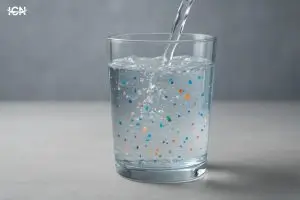
Microplastics in drinking water have become one of the most talked-about water quality concerns in recent years. Scientists, health experts, and environmental organizations worldwide are studying how tiny plastic particles enter our drinking water. The World Health Organization provides information about drinking water quality and environmental health topics. Scientists, health experts, and environmental organizations worldwide are increasingly studying how tiny plastic particles enter our drinking water and what this may mean for human health.
In 2026, awareness of microplastics in drinking water continues to grow as families seek cleaner, safer water for everyday consumption.
If you’ve ever wondered whether your drinking water contains microplastics, where they come from, and whether a water filter can help, this guide will explain everything you need to know.
What Are Microplastics in Drinking Water?
Microplastics are extremely small plastic particles measuring less than 5 millimeters in size.
They originate from the breakdown of larger plastic products such as:
- Plastic bottles
- Food packaging
- Synthetic clothing fibers
- Plastic containers
- Industrial materials
Over time, these materials break down into tiny fragments that can enter the environment and eventually make their way into water sources.
Because they are so small, microplastics are often invisible to the naked eye.
How Do Microplastics Get Into Drinking Water?
Microplastics can enter water through several pathways.
Common sources include:
Plastic Waste
Discarded plastic products gradually degrade into smaller particles.
Water Distribution Systems
Some plastic particles may enter water during transportation and storage.
Household Sources
Plastic containers, pipes, and packaging materials can contribute to plastic particle exposure.
Environmental Contamination
Microplastics have been detected in rivers, oceans, groundwater, and even rainfall.
As a result, traces of microplastics have been identified in drinking water supplies around the world.
Why Are People Concerned About Microplastics?
Microplastics in drinking water have increased interest in advanced filtration systems as families look for additional ways to improve their daily water quality.
The growing concern stems from the fact that microplastics are now found in many parts of daily life.
Researchers have identified microplastics in:
- Drinking water
- Bottled water
- Food products
- Seafood
- Airborne dust
Although scientists continue studying the long-term health effects, many consumers prefer reducing exposure whenever possible.
This has led to increased interest in advanced water filtration systems.
Signs You Should Pay More Attention to Water Quality
While microplastics themselves are not visible in household water, many homeowners become concerned about water quality when they notice:
- Unusual taste
- Unpleasant odor
- Cloudy appearance
- Sediment particles
- Concerns about contaminants
These concerns often prompt families to explore additional filtration options.
Can Bottled Water Contain Microplastics?
Many people assume bottled water is completely free from contaminants.
However, studies have shown that plastic packaging can contribute to the presence of microscopic plastic particles.
Potential contributing factors include:
- Plastic bottle manufacturing
- Transportation
- Storage conditions
- Packaging materials
This is one reason why many consumers are evaluating alternatives to bottled water.
Can Tap Water Contain Microplastics?
Microplastics have been detected in water supplies worldwide.
Possible sources include:
- Environmental contamination
- Water treatment processes
- Distribution infrastructure
- Plastic storage systems
The amount and type of particles can vary significantly depending on local conditions and water sources.
Which Water Filter for Microplastics Works Best?
One of the most frequently searched questions is:
“What is the best water filter for microplastics?”
Several advanced filtration technologies may help reduce microplastic particles.
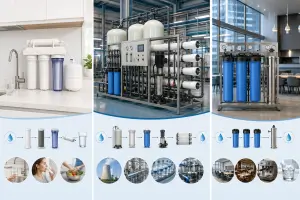
Reverse Osmosis (RO) Systems
RO systems use an extremely fine membrane designed to filter a wide range of contaminants.
Benefits include:
- Multi-stage filtration
- Improved water quality
- Reduced dissolved solids
- Enhanced drinking water taste
Ultrafiltration (UF) Systems
UF systems utilize microscopic filtration membranes capable of removing very small particles.
Multi-Stage Water Filters
Many modern filtration systems combine multiple technologies to improve overall filtration performance.
Why More Families Are Installing Water Filters
Growing awareness of drinking water contamination is encouraging more households to take a proactive approach to water quality.
Common reasons include:
- Peace of mind
- Better tasting water
- Reduced contaminants
- Reduced reliance on bottled water
- Improved overall water quality
Many homeowners view filtration as an additional layer of protection.
Microplastics vs Other Water Contaminants
Microplastics are only one category of concern.
Homeowners often seek protection from:
- Chlorine
- Sediment
- Rust particles
- Heavy metals
- Unpleasant odors
- Dissolved solids (TDS)
A properly selected filtration system can address multiple water quality concerns simultaneously.
How to Reduce Exposure to Microplastics
Practical steps include:
Use a Quality Water Filtration System
Advanced filtration systems may help reduce various contaminants, including microplastic particles.
Limit Single-Use Plastics
Reducing reliance on disposable plastic products may help lower environmental plastic waste.
Use Reusable Water Containers
Glass and stainless-steel containers are popular alternatives.
Store Water Properly
Avoid exposing plastic containers to excessive heat and direct sunlight for extended periods.
Choosing the Best Water Filter for Microplastics
When comparing filtration systems, consider:
- Filtration technology
- Certification standards
- Filter lifespan
- Maintenance requirements
- Water quality goals
Many households choose reverse osmosis systems because they provide comprehensive filtration for drinking water.
Choosing the right water filter for microplastics depends on filtration technology, maintenance, and the quality goals of each household.
Final Thoughts
Microplastics in drinking water have become a major topic of discussion as awareness of environmental contamination continues to increase.
Although research is still ongoing, many families prefer taking preventative measures to improve drinking water quality and reduce exposure to unwanted particles.
A high-quality water filtration system can help provide cleaner, better-tasting water while addressing a variety of common household water concerns.
As interest in water safety grows in 2026, understanding microplastics and choosing appropriate filtration solutions has become an important step for many families seeking greater confidence in their drinking water.
Frequently Asked Questions
What are microplastics?
Microplastics are tiny plastic particles smaller than 5 millimeters that result from the breakdown of larger plastic products.
Can microplastics be found in drinking water?
Studies have detected microplastics in water supplies around the world.
Can bottled water contain microplastics?
Research has identified microscopic plastic particles in some bottled water products.
What is the best water filter for microplastics?
Many homeowners choose reverse osmosis and multi-stage filtration systems because of their advanced filtration capabilities.
Are microplastics visible in water?
Most microplastic particles are too small to be seen without specialized equipment.