



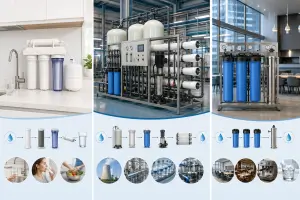
A water filter system is one of the best solutions for improving home water quality in 2026. Whether you’re filling a glass of water, making coffee, cooking meals, or washing fruits and vegetables, water quality directly affects your health, comfort, and daily life. A water filter system can include different technologies depending on the water quality problems you want to solve. Choosing the right water filter system depends on whether you need drinking water purification, whole-house protection, or hard water treatment.
With so many water filtration options available today, choosing the right system can feel overwhelming. Should you install a reverse osmosis (RO) system? Is a whole-house water filter necessary? Do you need a water softener? What about under-sink filters or multi-stage filtration systems?
This complete water filter buying guide explains the different types of water filtration systems, their benefits, and how to choose the best solution for your home in 2026.
Why More Homeowners Are Installing Water Filters
Water quality concerns continue to grow around the world.
Common reasons people install water filtration systems include:
- Improving drinking water taste
- Reducing chlorine and odors
- Managing hard water problems
- Reducing sediment and rust particles
- Addressing microplastic concerns
- Protecting household appliances
- Reducing dependence on bottled water
Modern filtration systems provide a convenient and long-term solution for improving water quality throughout the home.
Common Water Problems Found in Homes
Before choosing a filtration system, it’s important to understand the specific issues you want to solve.
Hard Water
Common signs include:
- White stains on faucets
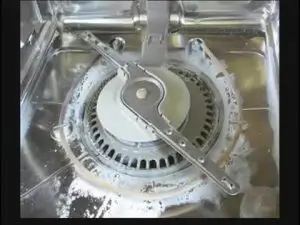
- Scale buildup on appliances
- Dry skin after showering
- Hair that feels rough or dull
- Reduced appliance efficiency
Chlorine Taste and Odor
Many people notice a strong chemical smell or taste in their water.
Sediment and Rust
Water may contain:
- Sand
- Dirt
- Rust particles
- Debris
These contaminants can affect water clarity and appliance performance.
Microplastic Concerns
Growing awareness of microplastics has increased demand for advanced water filtration technologies.
How Does a Water Filter System Work?
A water filter system works by passing water through different filtration stages designed to reduce unwanted particles, odors, and contaminants.
Sediment Filters
Sediment filters are designed to capture larger particles such as:
- Sand
- Dirt
- Rust
- Debris
They are commonly used as a first stage of filtration.
Carbon Water Filters
Activated carbon filters help improve:
- Water taste
- Water odor
- Chlorine reduction
These filters are among the most popular options for household drinking water.
Reverse Osmosis (RO) Systems
Read our guide about RO filter vs 3-stage filter systems.
RO systems use advanced membrane technology to provide comprehensive drinking water filtration.
Benefits include:
- Improved water quality
- Reduced dissolved solids (TDS)
- Better taste
- Multi-stage filtration
RO systems remain one of the most popular choices for drinking water purification.
Ultrafiltration (UF) Systems
UF systems use microscopic membranes to filter water while maintaining good flow rates.
UV Water Purification
UV filtration uses ultraviolet light technology to help address microorganisms and improve water quality.
Water Softeners
Water softeners are specifically designed to reduce hardness minerals that contribute to scale buildup.
Benefits include:
- Appliance protection
- Reduced limescale
- Improved shower experience
- Better soap performance
Whole-House Water Filters vs Under-Sink Water Filters
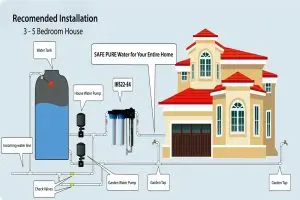
Whole-House Filtration Systems
Installed at the main water supply line.
Benefits include:
- Protection for all taps
- Improved shower water quality
- Appliance protection
- Reduced sediment throughout the home
Under-Sink Water Filters
Installed beneath the kitchen sink.
Benefits include:
- Compact design
- Drinking water improvement
- Lower installation costs
- Convenient access to filtered water
Which Water Filter Is Best for Apartments?
Apartment residents often prefer:
- Under-sink filters
- Compact RO systems
- Multi-stage drinking water filters
These solutions require less space while providing excellent drinking water quality.
Which Water Filter Is Best for Villas?
Villa owners often choose a combination of:
- Whole-house filtration
- Water softeners
- RO drinking water systems
This approach improves water quality throughout the property while providing purified drinking water.
Water Filter vs Bottled Water
Many households are moving away from bottled water and choosing home filtration systems instead.
Bottled Water Advantages
- No installation required
- Convenient
Bottled Water Disadvantages
- Recurring monthly costs
- Plastic waste
- Storage requirements
Water Filter Advantages
- Long-term savings
- Reduced plastic consumption
- Unlimited filtered water
- Improved convenience
How to Choose the Right Water Filter
When selecting a filtration system, consider:
Water Quality Concerns
Do you want to address:
- Hard water?
- Chlorine?
- Sediment?
- Drinking water quality?
Household Size
Larger households generally require higher-capacity systems.
Budget
Consider:
- Initial investment
- Maintenance costs
- Long-term value
Installation Space
Some systems require more installation space than others.
Water Filter Maintenance Guide
Regular maintenance is essential for optimal performance.
Typical maintenance tasks include:
- Filter replacement
- System inspection
- Membrane replacement (for RO systems)
- Water softener servicing
Following manufacturer recommendations helps ensure long-term efficiency.
Water Filtration Trends in 2026
The most popular water treatment trends include:
- Reverse osmosis systems
- Whole-house filtration
- Water softeners
- Multi-stage filtration
- Bottled water alternatives
- Microplastic awareness
- Sustainable water solutions
- Smart water monitoring systems
As consumers become more informed about water quality, advanced filtration technologies continue to gain popularity. International organizations provide water quality guidelines and recommendations for safe drinking water practices.
For general drinking water quality guidelines and safety recommendations, you can refer to international water standards provided by the World Health Organization.
Final Thoughts
Choosing the best water filter system depends on your home’s water quality, household size, budget, and long-term goals.
Whether you need an under-sink drinking water filter, a whole-house filtration system, a water softener, or a complete RO solution, understanding the available options helps you make a more informed decision.
A properly selected water filtration system can improve water quality, protect appliances, reduce maintenance costs, and provide cleaner, better-tasting water for years to come.
Frequently Asked Questions
What is the best water filter for home use?
The best system depends on your specific water quality concerns and household requirements.
Is reverse osmosis better than a standard water filter?
RO systems generally provide more comprehensive drinking water filtration.
Do water filters remove hard water?
Most standard filters do not remove hardness minerals. A water softener is typically required.
Are whole-house water filters worth it?
Many homeowners choose whole-house systems because they improve water quality throughout the property.
How often should water filters be replaced?
Replacement schedules vary depending on system type, water quality, and household usage.